
Maintaining Your Tow Vehicle or Motorhome to Avoid Costly Repairs
 Maintaining your tow vehicle or motorhome isn’t just about keeping things shiny—it’s about avoiding costly repairs, breakdowns on the side of the road, and vacations cut short. Your RV is your home, but your tow vehicle or motorhome chassis is the engine that makes the whole adventure possible.
With a little bit of planning and a simple maintenance routine, you can extend the life of your rig, catch problems early, and protect your wallet from big surprise bills.
Why Maintenance Matters More for RVers
Daily drivers rack up lots of miles, but tow vehicles and motorhomes work under different kinds of stress. You’re pulling heavy loads, climbing mountain passes, driving in heat, and sometimes sitting for months at a time.
That combination of heavy weight + long sits is tough on fluids, seals, tires, brakes, and batteries. Skipping maintenance might not show up right away—but it often leads to:
- Overheated transmissions
- Blown tires
- Brake failures
- Charging system issues
Small, regular maintenance investments help you avoid catastrophic failures and keep your family safe while traveling.
Build a Simple RV Maintenance Schedule
You don’t need a complicated system. Start with three basic timelines for maintaining your tow vehicle or motorhome:
- Before every trip – Quick safety checks you can do in 10–15 minutes.
- Every 3–6 months – Deeper inspections and routine service.
- Mileage-based work – Oil changes, transmission service, and other manufacturer-recommended intervals.
Keep everything in one place: a notebook in the glove box, a spreadsheet, or a maintenance app. Note date, mileage, and what you did. This record not only saves money, it increases the resale value of your tow vehicle or motorhome.
Pre-Trip Checks That Catch Problems Early
Before you pull out of the driveway or campground, run a quick RV safety inspection:
- Walk-around visual check – Look for leaks under the vehicle, sagging suspension, or anything hanging or loose.
- Lights & signals – Headlights, brake lights, running lights, turn signals, and trailer lighting.
- Tires – Check pressure (including the spare), look for cracks, bulges, or uneven wear.
- Hitch & tow connections – Inspect hitch pins, weight distribution bars, safety chains, and breakaway cable.
- Brakes – Listen for grinding or squealing; make sure braking feels normal, not spongy or pulling to one side.
These five minutes of attention are one of the best money-saving tips you can apply. Many expensive breakdowns start as small signs you can catch in a simple walk-around.
Fluids, Filters & Tires – Your First Line of Defense
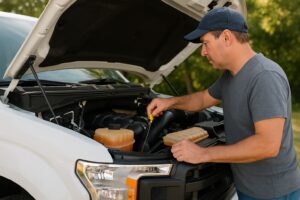 If you want to avoid costly repairs, start with the basics your engine and drivetrain depend on:
Engine oil & filter
Follow the manufacturer’s recommendations, but remember: towing counts as severe service. That often means shorter oil change intervals. Fresh oil:
- Reduces wear
- Helps keep engine temperatures stable
- Prevents sludge buildup
Always use the correct weight and quality grade specified for your tow vehicle or motorhome.
Transmission fluid
Pulling an RV generates heat, and heat kills transmissions. Check:
- Fluid level
- Color (should be bright, not dark or burnt-smelling)
- Service interval for fluid and filter changes
A transmission service costs far less than a full rebuild after a long, hot summer of towing.
Coolant, brake fluid & power steering
These fluids protect vital systems:
- Coolant prevents overheating and internal corrosion.
- Brake fluid absorbs moisture and loses effectiveness over time—flush it as recommended.
- Power steering fluid keeps steering smooth and responsive, especially under load.
Tires
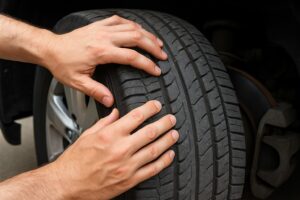 Think of tires as a safety system, not just a wear item. Check:
- Age (RV and tow vehicle tires often age out before they wear out)
- Proper load rating for your rig
- Inflation based on actual weight if possible
Underinflated or overloaded tires are a common cause of blowouts—one of the most expensive and dangerous problems RVers face.
Brakes, Suspension & Towing Components
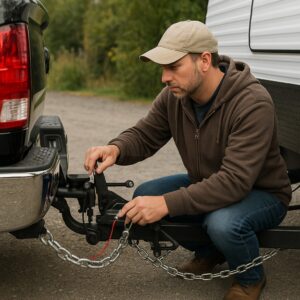 Your brakes and suspension do the heavy lifting when you’re towing or driving a motorhome.
- Inspect brake pads and rotors regularly; replace before they’re worn down to minimum thickness.
- Listen for clunks or rattles in the suspension that could indicate worn bushings, shocks, or ball joints.
- Check the condition of your weight distribution hitch, sway control, and tow bars. Look for worn pins, cracked welds, or excessive play.
A smooth, stable ride isn’t just comfortable—it keeps your vehicle in better control, which reduces wear on many other components.
Electrical & Charging System Care
Modern RVs rely on both the vehicle electrical system and the house batteries. When maintaining your tow vehicle or motorhome, don’t ignore:
- Battery condition – Clean terminals, tight connections, proper charging voltage.
- Alternator output – If you notice dim lights or slow cranking, get the charging system tested.
- Trailer plug & wiring – Corrosion, loose pins, or damaged insulation can cause intermittent lights or brake failures.
Keeping your electrical system healthy avoids mystery issues, dead batteries at the worst time, and damaged components from low voltage.
When to DIY and When to Call a Pro
Plenty of maintenance jobs can be done by a confident DIYer:
- Checking fluids
- Inspecting belts and hoses
- Replacing wiper blades and air filters
- Visual brake and tire inspections
But for major systems—like internal engine repairs, transmission work, or complex electronic diagnostics—spending money on a trusted RV or truck shop often saves you money in the long run. A misdiagnosed problem can lead to repeat failures and more parts thrown at the issue.
If something doesn’t feel right during a tow or drive (shuddering, loss of power, strong smells, warning lights), don’t ignore it. Address it early before it turns into a roadside tow and a big repair bill.
Track Maintenance & Costs Like a Pro
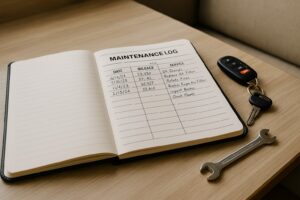 One of the best ways to avoid costly repairs is to track both your maintenance and your expenses:
- Record every oil change, tire rotation, and inspection.
- Note what brand or type of fluid or part you used.
- Track unusual noises or issues and how they were resolved.
This history helps you spot patterns (“We keep wearing out this part; maybe our weight or driving style needs attention”) and keeps you from accidentally skipping an important service.
Conclusion: Small Habits, Big Savings
Maintaining your tow vehicle or motorhome doesn’t have to be complicated. Focus on regular inspections, fluid and tire care, and paying attention to small changes before they become big problems.
With a simple schedule and a little time invested, you’ll:
- Avoid costly repairs
- Keep your family safer on the road
- Protect the value of your rig
- Enjoy more of the trips you planned instead of waiting in a shop parking lot
Preventive maintenance is one of the smartest money-saving tips an RVer can practice.


