
Coast Storm Watching (Safely!): Why It’s Worth the Trip
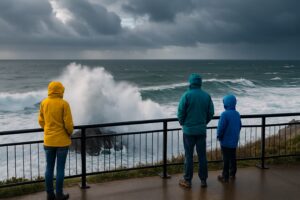 There’s nothing quite like standing on a rugged coastline while the sky darkens, waves explode against the rocks, and the wind fills the air with salt spray. Coast storm watching has become a favorite off-season adventure for RVers and road-trippers because you get drama, beauty, and usually fewer crowds.
But powerful storms demand respect. Rogue “sneaker” waves, high winds, flooding, and unstable cliffs can turn a beautiful scene into a dangerous one in seconds. The good news is that with some planning, awareness, and the right gear, you can enjoy coast storm watching safely and come home with great photos and better stories—not a close call.
Choose the Right Location for Safe Storm Watching
Not all viewpoints are created equal. When you’re storm watching on the coast, favor places that were built or designated for viewing:
- Official coastal viewpoints with railings or high bluffs
- State parks and national seashores with signed viewing areas
- Lighthouses, overlooks, and headlands with established paths
- Hotel or RV park ocean-view sites safely set back from the surf
Avoid low, flat rock ledges and pocket beaches where waves can rush far inland. If locals or park rangers tell you “people get swept off here,” believe them and move to a safer vantage point.
Whenever possible, park your RV away from surf zones or areas prone to flooding, and never drive through standing saltwater on coastal roads.
Understand the Hazards: Sneaker Waves, Wind, and Tides
 To enjoy safe storm watching on the coast, it helps to know what you’re up against.
Sneaker Waves
Sneaker waves are larger, more powerful waves that appear without much warning, sometimes after a series of smaller waves. They can surge far up the beach, knock adults off their feet, and sweep logs or debris inland.
Safe practice:
- Always assume the ocean can reach farther than you think.
- Stay well back from the water on storm days, especially on steep or cobble beaches.
- Never turn your back on the surf when you’re near sea level.
High winds & flying debris
Wind is a big part of the show, but strong gusts can push you off balance, slam car doors, or send sand and small rocks flying.
Safe practice:
- Choose higher, set-back viewpoints during high wind warnings.
- Avoid cliff edges and narrow, exposed trails.
- Protect your eyes with glasses or goggles and your ears with a hood or hat.
Swell height and tides
Storm watching at high tide with large swell can be spectacular—but also much more dangerous.
Safe practice:
- Check the tide chart for your location and aim for a lower tide if you’ll be on or near the beach.
- Combine tide information with swell forecasts; big swell plus high tide equals less beach and more risk.
- If your “escape route” from the beach would be cut off by rising water, don’t go there.
Gear Checklist for Coastal Storm Watching
Staying dry, warm, and visible is part of coast storm watching safely. Pack like you’re going on a wet, windy hike:
- Waterproof shell jacket and pants – Windproof and breathable is ideal.
- Insulating layers – Fleece or wool; avoid cotton that stays wet and cold.
- Waterproof boots or shoes – Good traction for wet rock and mud.
- Warm hat and gloves – Wind steals heat quickly.
- Headlamp or small flashlight – Storm clouds and early sunsets make it darker than you expect.
- Dry bag or waterproof case – For phone, camera, and keys.
- Binoculars – Watch the action from a safer distance.
- Thermos with something hot – Keeps everyone happy and reduces the temptation to “just get a little closer” because you’re cold.
For RVers, it’s also smart to bring:
- Wheel chocks – Extra stability in high winds.
- Weather radio or reliable forecast app – To track warnings and changing conditions.
Storm Watching With Kids and Pets
Coastal storms can be fun and educational for kids—if you manage the environment well.
Tips for kids:
- Choose viewpoints that are well above the surf with fences or railings.
- Set clear boundaries: “Do not go past this rock,” or “Stay on the trail side of the fence.”
- Use the storm as a teaching moment: talk about waves, tides, and weather, and why you’re watching from a safe distance.
Tips for pets:
- Keep dogs on leash. Excited pets can dart toward the water or cliffs.
- Avoid days with blowing sand that can irritate eyes and paws.
- If thunder is part of the storm, consider leaving anxious pets in the RV with white noise and familiar bedding.
Best Practices for Coast Storm Watching Safely
Here are simple rules that dramatically improve your odds of having a great—and safe—experience:
- Check the forecast first.
Look for wind advisories, high surf warnings, and coastal flood statements. If emergency services are telling people to stay away from the shoreline, use your RV’s big window as your viewing platform instead. - Arrive in daylight.
Find and learn the terrain while you can still see it. If you stay for sunset, return to your vehicle before it’s fully dark or bring strong lights and stick to easy paths. - Stay above the action.
Elevated headlands and viewpoints give you better views and more safety margin than being right at water level. - Watch other people—but don’t follow bad examples.
Some folks will always push too close. If you see photographers or tourists standing where waves occasionally reach, that doesn’t mean it’s safe. Focus on your own risk assessment. - Have an exit plan.
Know how you’ll get back to your rig if conditions worsen or emergency services ask visitors to clear certain areas.
RV Tips: Parking and Overnighting During Coastal Storms
 For RV travelers, storm watching is especially appealing because you can retreat into a warm, cozy space just a few feet away. To do it safely:
- Park well back from cliffs, dunes, and soft ground. Heavy rain and wind can cause slides or erosion.
- Point the nose of your RV into the wind when possible, to reduce rocking.
- Secure awnings and slide toppers; don’t leave anything out that could catch air.
- Avoid parking where saltwater spray or floodwater can reach your undercarriage—corrosion and electrical issues aren’t worth the view.
Enjoy the Experience Without Becoming Part of the Story
At its best, coast storm watching safely combines drama and comfort. You might spend part of the day at a high lookout watching huge waves pound the shoreline, then retreat to a seaside café or your RV to warm up and listen to the wind and rain.
The key is remembering that you’re a spectator, not a stunt performer. The ocean doesn’t know you’re “just there for photos.” Respect the power of the water, keep a generous safety margin, and you’ll have the kind of storm stories you’ll want to tell for years.


